
Hot Weather and Dogs: Keeping Your Best Friend Safe in the Summer

As temperatures rise across the UK, many dog owners look forward to spending more time outdoors with their four-legged companions. While warm weather can be enjoyable for both people and dogs, it also brings significant risks that every owner should understand. Unlike humans, dogs cannot cool themselves efficiently through sweating, making them far more vulnerable to overheating and heatstroke.
A little planning and awareness can make the difference between a fun summer and a potentially life-threatening emergency.

Why Hot Weather Is Dangerous for Dogs
Dogs regulate their body temperature primarily through panting and, to a lesser extent, through the pads of their feet. When temperatures become too high, these cooling methods can struggle to keep up.
Heat-related illnesses can develop surprisingly quickly, particularly during exercise, travel, or when dogs are left in poorly ventilated environments. Heatstroke is a veterinary emergency and can occur even on days that do not feel exceptionally hot to us.
Some dogs are especially at risk, including:
Puppies and senior dogs
Overweight dogs
Flat-faced breeds such as Pugs, Bulldogs, and French Bulldogs
Dogs with heart or respiratory conditions
Long-coated breeds
Dogs that are over-exercised during warm weather
Walking Your Dog Safely
One of the most common mistakes owners make is walking their dog during the hottest part of the day.
Instead:
Walk early in the morning or later in the evening.
Choose shaded routes whenever possible.
Carry fresh water and a portable bowl.
Take regular breaks.
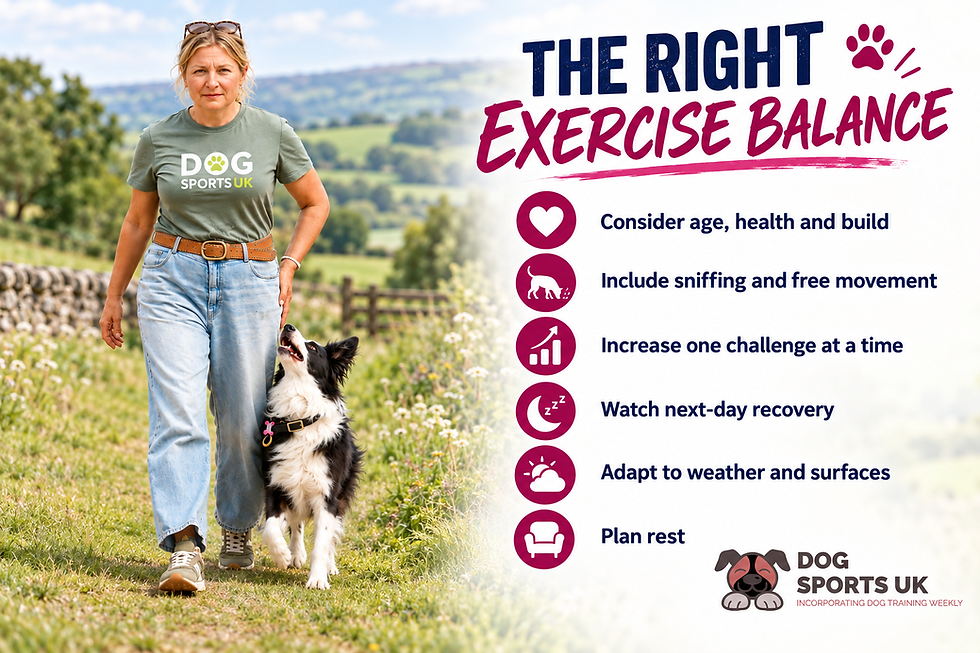
Reduce the intensity and duration of exercise.
Remember that dogs do not know when to stop. Many will continue chasing a ball or running simply because they enjoy the activity, even when they are becoming dangerously hot.
Beware of Hot Pavements
A pavement that feels warm to your hand can be painfully hot for your dog's paws.
As a simple guide, place the back of your hand on the pavement for seven seconds. If it is uncomfortable for you, it is too hot for your dog.
Hot surfaces can cause:
Burns
Blistering
Cracked paw pads
Pain that may not become apparent until later
Grass, woodland trails, and shaded paths are much safer options during warm weather.
Never Leave a Dog in a Car
Even on a mild summer day, the temperature inside a vehicle can rise rapidly.
Opening a window slightly does not provide enough cooling.
A dog left in a car can suffer heatstroke within minutes. If your dog cannot accompany you to your destination, it is often safer to leave them at home.
Providing Cooling Opportunities
Dogs appreciate ways to cool down just as much as we do.
Simple ideas include:
Keeping fresh water available at all times
Providing shaded resting areas
Using cooling mats
Filling a paddling pool with shallow water
Offering frozen dog-safe treats
Allowing access to cool indoor spaces
Many dogs enjoy splashing in water but always supervise swimming activities and ensure water is safe and clean.
Recognising the Signs of Heatstroke
Early recognition can save a dog's life.
Watch for:
Excessive panting
Drooling
Bright red gums
Lethargy
Difficulty walking
Vomiting
Diarrhoea
Collapse
Seizures
If you suspect heatstroke:
1. Move the dog to a cool area immediately.
2. Offer small amounts of water.
3. Use cool (not ice-cold) water on the body.
4. Place wet towels on the neck, chest, and abdomen.
5. Contact a veterinary surgeon immediately.
Do not wait to see if your dog improves on their own.
Training and Dog Sports in Summer
For those involved in dog sports and activities, hot weather requires additional planning.
Whether you participate in Obedience, Agility, Rally, Heelwork to Music, Working Trials, or Hoopers:
Train during cooler periods.
Shorten training sessions.
Build in regular rest breaks.
Monitor your dog's breathing and energy levels.
Prioritise hydration.
Be prepared to stop if conditions become unsuitable.
A missed training session is far preferable to risking your dog's health.
Summer Fun Can Still Be Safe
Hot weather does not mean your dog has to stay indoors all day. Instead of focusing on strenuous exercise, consider:
Scent games in the shade
Puzzle toys
Short training sessions
Indoor trick training
Controlled swimming opportunities
Gentle social outings during cooler hours
Mental stimulation often tires a dog just as effectively as physical exercise.
Final Thoughts
Summer should be a time of enjoyment for both dogs and their owners. By understanding the risks of hot weather and making a few simple adjustments to your routine, you can keep your dog comfortable, healthy, and safe throughout the warmer months.
Always remember: if it feels hot to you, it is probably even hotter for your dog. A little caution, plenty of water, and sensible planning will ensure that your canine companion can enjoy the summer safely by your side.


Comments